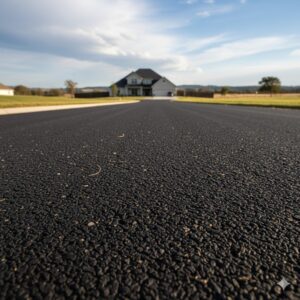
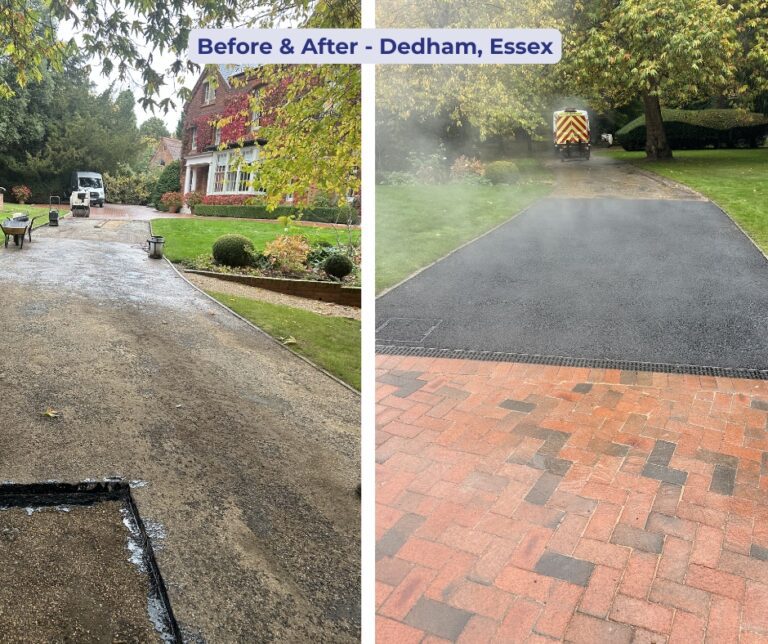
If your driveway is looking tired and weathered but isn't quite ready for a complete replacement, surface dressing could be the perfect solution. At Heritage Roadways, we're often asked about this cost-effective restoration technique, so we've created this comprehensive guide to help you understand what surface dressing is, how it works, and whether it's right for your property.
What is Surface Dressing?
Surface dressing, also known as "chip seal" or "tar and chip," is a preventative maintenance treatment that involves applying a thin layer of bitumen emulsion to an existing surface, followed immediately by a layer of stone chippings. The chippings are then rolled into the bitumen to create a textured, weather-resistant surface.
Think of it as giving your driveway a protective overcoat rather than replacing the entire driveway. It's a proven technique used extensively on roads throughout the UK and increasingly popular for domestic driveways.
How Does Surface Dressing Work?
The process is surprisingly straightforward but requires precision and expertise:
Step 1: Preparation
The existing surface is thoroughly cleaned and any significant defects are repaired. This preparation is crucial - surface dressing seals and protects, but it won't fix structural problems underneath.
Step 2: Bitumen Application
A measured layer of bitumen emulsion is sprayed evenly across the surface. This acts as both an adhesive for the chippings and a waterproofing layer.
Step 3: Aggregate Distribution
Stone chippings are immediately spread across the tacky bitumen, covering it completely. Timing is critical here - the bitumen must still be sticky enough to hold the stones.
Step 4: Rolling
Heavy rollers compact the chippings into the bitumen, ensuring they're firmly embedded and creating a stable, unified surface.
Step 5: Curing
The surface is left to cure for 24-48 hours. Some loose chippings are normal initially and will gradually be displaced by traffic over the first week.
The Benefits of Surface Dressing
Surface dressing offers numerous advantages that make it an attractive option for many property owners:
Cost-Effectiveness
Surface dressing typically costs 50-70% less than complete resurfacing. If your existing surface is structurally sound, why spend money replacing it when you can restore and protect it for a fraction of the cost?
Quick Installation
Most residential driveways can be surface dressed in a single day. Compare this to complete resurfacing, which often requires multiple days and extended periods where your driveway is unusable.
Minimal Disruption
Because the process is quick and doesn't require extensive excavation, disruption to your daily routine is minimal. You'll typically be back to normal use within 48 hours.
Extends Surface Life
Surface dressing can add 5-8 years or more to the life of your existing driveway. It seals out water - the primary enemy of asphalt and tarmac surfaces - and protects against UV damage that causes surfaces to become brittle and crack.
Improved Safety
The stone chipping finish provides excellent grip and traction, even in wet conditions. This is particularly valuable on steep driveways or areas where vehicles brake frequently.
Aesthetic Renewal
A fresh surface dressing treatment transforms the appearance of a tired driveway. You can choose from various stone colours to achieve the look you want, from traditional grey granite to warmer buff or golden tones.
Environmental Benefits
Surface dressing uses significantly less material than complete resurfacing, making it a more environmentally responsible choice. It preserves existing surfaces rather than generating waste from removal and disposal.
When is Surface Dressing the Right Choice?
Surface dressing isn't suitable for every situation. Here's how to know if it's right for your driveway:
Surface Dressing is Ideal When:
Your surface is structurally sound - The base and foundation are solid, with no significant subsidence or major structural issues.
You have surface weathering - UV damage, minor surface cracking, or general wear from age and weather are perfect candidates for surface dressing.
Water resistance is needed - If your surface is starting to show signs of water damage or you want to prevent future issues, surface dressing provides excellent waterproofing.
You're budget-conscious - Surface dressing delivers excellent value, providing years of additional life at modest cost.
Improved grip is desired - The textured finish offers superior traction compared to smooth asphalt or tarmac.
Quick turnaround is important - When you need your driveway back in service quickly, surface dressing's rapid installation is ideal.
Surface Dressing is NOT Suitable When:
There's significant structural damage - Major potholes, extensive cracking, or breaking up of the surface indicates underlying problems that surface dressing won't fix.
Drainage issues exist - Standing water or poor drainage needs addressing first. Surface dressing won't solve these fundamental problems.
The foundation has failed - If the base layer has deteriorated or the ground beneath is unstable, you need more extensive repairs.
You want a perfectly smooth finish - Surface dressing creates a textured surface. If you prefer completely smooth asphalt, this isn't the right choice.
The existing surface is beyond repair. Sometimes a surface has deteriorated to the point where only complete replacement makes sense.
Choosing Your Stone Chippings
One of the enjoyable aspects of surface dressing is selecting the aggregate that best suits your property. Here's a guide to the most popular options:
Natural Grey Granite or Limestone
The classic choice that suits virtually any property style. Grey stone has a timeless quality that never goes out of fashion and doesn't show tyre marks as readily as lighter colours. It's particularly appropriate for contemporary homes or properties with grey or charcoal colour schemes.
Buff or Golden Stone
Warmer-toned aggregates create an inviting, mellow appearance that works beautifully with traditional architecture. These are especially popular in the Cotswolds and other areas with honey-coloured stone buildings. The warm tones complement brick, terracotta, and natural wood features.
Red or Pink Aggregates
For a distinctive look that makes a statement, red or pink stone creates visual interest and can coordinate with red brick homes or create contrast against lighter buildings. This bold choice suits properties where you want the driveway to be a feature rather than blend into the background.
Basalt or Black Stone
Dark aggregates offer a contemporary, sophisticated appearance. They provide excellent contrast against lighter-coloured buildings and create a sleek, modern aesthetic. Black stone is increasingly popular for new-build properties with minimalist design.
Choosing the Right Size
Aggregate size typically ranges from 6mm to 14mm:
- 6-10mm chippings create a finer, smoother finish suitable for light traffic
- 10-14mm chippings provide a coarser texture ideal for areas with heavier use or where maximum grip is important
The Application Process: What to Expect
Understanding what happens during surface dressing helps you prepare and know what's normal:
Before We Arrive
Clear the area - Remove vehicles, plant pots, and any obstacles from the driveway.
Inform neighbours - Let them know work is happening, as there may be some noise and temporary parking changes.
Check the weather - Surface dressing requires dry conditions. We'll monitor forecasts and may reschedule if rain is predicted.
During Application
Morning preparation - We'll repair any significant defects and thoroughly clean the surface.
Bitumen spraying - This takes 30-60 minutes for a typical driveway. You'll notice the distinctive smell of bitumen.
Chipping distribution - Stone is spread immediately while the bitumen is tacky.
Rolling - Heavy equipment compacts everything together.
Initial cleanup - We'll remove any excess material from borders and edges.
Immediately After
Keep off for 24-48 hours - This is crucial. Traffic on the fresh surface can displace chippings and damage the treatment.
Expect some loose chippings - This is completely normal. We intentionally over-apply slightly to ensure full coverage.
Be patient - The surface needs time to fully cure and settle.
The First Week
Drive slowly and carefully - Gentle use helps the surface settle properly without displacing too many chippings.
Avoid sharp turns - Steering on the spot can dislodge material during this settling period.
Don't panic about loose stones - These will gradually be swept away or worked into the surface with traffic.
After One Week
Return to normal use - Your driveway is now fully ready for regular traffic.
Sweep away remaining loose material - A quick sweep tidies up any stones that have worked loose.
Enjoy your renewed surface - Admire the transformation!
Maintaining Your Surface Dressed Driveway
One of surface dressing's great advantages is how little maintenance it requires:
Regular Care (Every Few Weeks)
Light sweeping removes leaves, debris, and any loose chippings that have worked free. This simple task keeps your driveway tidy and prevents organic matter from breaking down on the surface.
Immediate Attention (As Needed)
Clean spills promptly - Oil, fuel, or other automotive fluids should be cleaned up quickly using absorbent material and mild detergent. While the bitumen is more resistant than bare asphalt, prevention is still better than cure.
Annual Tasks (Once a Year)
Visual inspection - Walk your driveway looking for any areas where chippings have worn away or where the bitumen is showing through. These spots can be touched up before they become problems.
Edge maintenance - Check that edges remain intact and vegetation hasn't encroached.
Drainage check - Ensure water still drains properly and isn't pooling anywhere.
What to Avoid
Harsh chemicals - Don't use strong degreasers or solvents that could damage the bitumen.
Metal snow shovels - Use plastic or rubber-edged shovels in winter to avoid gouging the surface.
Chemical de-icers - Salt and chemical treatments can damage surface dressing. Use sand or grit for traction instead.
Pressure washing - Avoid high-pressure washing, especially in the first year, as it can dislodge chippings.
How Long Does Surface Dressing Last?
The lifespan of surface dressing varies based on several factors:
Average Lifespan
Residential driveways with light traffic: 7-10 years
Shared access roads with moderate use: 5-7 years
High-traffic commercial areas: 3-5 years
Footpaths and cycleways: 10+ years
Factors Affecting Longevity
Traffic volume - More vehicles mean faster wear. A driveway with two family cars will last longer than one serving multiple properties.
Vehicle types - Heavy vehicles wear surfaces faster than standard cars. Regular visits from delivery lorries or commercial vehicles reduce lifespan.
Climate exposure - Areas with intense sun exposure or harsh freeze-thaw cycles experience more stress.
Quality of application - Professional installation by experienced contractors like Heritage Roadways ensures optimal longevity.
Maintenance - Regular care and prompt attention to minor issues extends service life significantly.
Signs It's Time to Reapply
Significant aggregate loss - When large areas show exposed bitumen rather than stone coverage.
Surface cracking - New cracks appearing through the surface dressing.
Water absorption - If the surface is no longer shedding water effectively and takes longer to dry after rain.
Colour fading - When the stones appear weathered and grey rather than their original colour.
Loss of grip - If the textured surface has worn smooth in high-traffic areas.
The good news? When surface dressing reaches the end of its life, you simply reapply. Each application continues protecting the underlying surface, potentially avoiding the need for complete resurfacing for decades.
Surface Dressing vs. Other Options
How does surface dressing compare to alternative approaches?
Surface Dressing vs. Complete Resurfacing
Cost: Surface dressing is significantly cheaper (typically 50-70% less)
Time: Surface dressing takes 1 day vs. several days for resurfacing
Disruption: Minimal with surface dressing vs. extensive with full resurfacing
Lifespan: Surface dressing lasts 5-8 years vs. 15-20 years for new asphalt
Best for: Structurally sound surfaces vs. damaged or failed surfaces
Surface Dressing vs. Sealcoating
Protection: Both seal surfaces, but surface dressing provides physical aggregate protection too
Appearance: Surface dressing creates textured finish vs. smooth finish of sealcoating
Grip: Surface dressing offers superior traction
Cost: Surface dressing costs more initially but lasts longer
Application: Surface dressing is more complex and requires professional expertise
Surface Dressing vs. Doing Nothing
Cost: Modest investment now vs. expensive repairs later
Protection: Active preservation vs. continued deterioration
Appearance: Immediate improvement vs. ongoing decline
Lifespan: Extends surface life by years vs. accelerated failure
Value: Protects property value vs. potential devaluation
The answer? If your surface is fundamentally sound, surface dressing offers unbeatable value compared to doing nothing or opting for complete replacement.
Common Questions and Concerns
"Will I Track Loose Chippings into My House?"
Some loose chippings are normal for the first week or two after application. Place a mat at your entrance and sweep occasionally. After the settling period, this issue resolves completely.
"How Loud is the Application Process?"
There's some noise from equipment, but it's not excessive and only lasts a few hours. It's comparable to lawnmower noise levels.
"Can I Choose the Exact Colour I Want?"
While you can't create custom colours, there's a good range of natural stone colours available. We'll show you samples during your consultation.
"What If It Rains Soon After Application?"
This is why we monitor weather forecasts carefully. If unexpected rain occurs within the first 24 hours, it may wash away some chippings, but the treatment will usually still be effective. After 48 hours, rain won't affect the cured surface.
"Will Surface Dressing Fix Existing Cracks?"
Minor hairline cracks will be sealed, but significant cracks should be repaired before surface dressing. We'll identify and fix these during the preparation stage.
"How Does It Handle UK Weather?"
Extremely well! The stone provides excellent grip in wet conditions, and the bitumen layer protects against freeze-thaw damage. It's specifically designed for British climate conditions.
"Can I Do It Myself?"
While DIY is technically possible, we don't recommend it. Proper application requires specialist equipment (spray bars, rollers), precise timing, and experience to achieve good results. Professional installation ensures optimal performance and longevity.
The Cost Factor
While every project is unique, surface dressing typically costs:
£8-15 per square metre for residential driveways
This compares to:
- £40-60 per square metre for new asphalt surfacing
- £50-100+ per square metre for block paving
- £3-5 per square metre for basic sealcoating (but with less protection and shorter lifespan)
For a typical 50 square metre driveway, surface dressing might cost £400-750 compared to £2,000-3,000 for complete resurfacing.
Why Choose Heritage Roadways?
Surface dressing is a specialist technique that requires expertise, proper equipment, and attention to detail. At Heritage Roadways, we bring:
25+ years of experience in surfacing across Suffolk and beyond
Professional equipment ensuring even application and proper compaction
Quality materials sourced from reputable suppliers
Expert assessment to determine if surface dressing is appropriate for your situation
Honest advice - if your surface needs more extensive work, we'll tell you
Guaranteed workmanship delivering results that last
Local knowledge understanding of Suffolk's specific conditions and requirements
Ready to Restore Your Driveway?
If your driveway is looking tired but you're not ready for the expense and disruption of complete resurfacing, surface dressing could be the perfect solution. It's cost-effective, quick, and can add years of life to your existing surface while dramatically improving its appearance.
At Heritage Roadways, we provide complimentary site assessments where we'll honestly evaluate whether surface dressing is appropriate for your situation. We'll explain what we recommend and why, provide a transparent quotation, and answer any questions you have - with absolutely no pressure or obligation.
Contact Heritage Roadways today to arrange your free assessment and discover how surface dressing can restore your driveway's appearance and protect your investment for years to come.
Remember: Surface dressing is a proven, cost-effective restoration technique when applied by experienced professionals. Trust Heritage Roadways to deliver treatments that protect, enhance, and extend the life of your driveway.