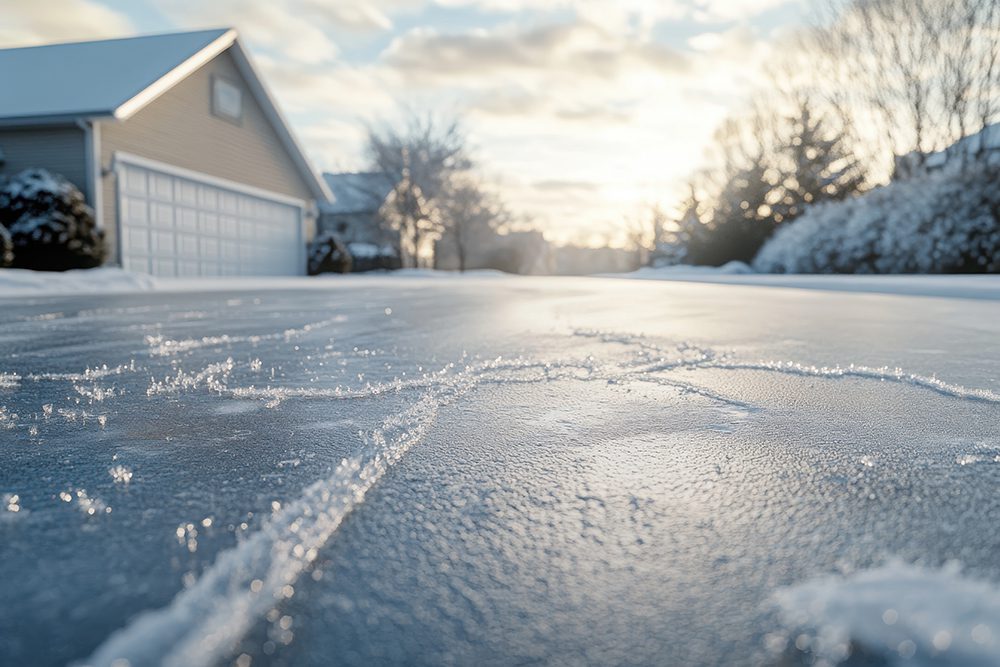
Winter can be tough on driveways. Freezing temperatures, frost, ice, and the inevitable freeze-thaw cycle can all take their toll on even the most well-maintained surfaces. The good news? A little preparation now can save you from costly repairs come spring.
Whether you have a tarmac driveway, tar and chip surface, or another type of driveway, taking time to prepare it for winter weather is one of the smartest investments you can make in your property.
Why Winter is Hard on Driveways
Understanding why winter causes problems helps you prevent them. When water seeps into small cracks in your driveway surface, it expands as it freezes. This expansion forces cracks wider, creating bigger gaps. When the ice thaws, more water gets in, and the cycle repeats. Over a single winter, a hairline crack can become a serious problem.
Add to this the weight of vehicles driving over frozen surfaces, the scraping of snow shovels, and the corrosive effects of road salt, and you can see why spring often reveals winter damage.
Inspect Your Driveway Now
Before the first frost hits, take a good look at your driveway. Walk the entire surface and look for:
Cracks and gaps - Even small ones need attention. These are entry points for water, and once that water freezes, the damage accelerates rapidly.
Potholes or sunken areas - These collect water, which will freeze and expand, making them worse. They're also trip hazards when covered with snow or ice.
Drainage problems - Is water pooling anywhere? Standing water is your driveway's enemy, especially in winter.
Edge deterioration
Where your driveway meets grass or gravel, the edges can crumble. Winter weather will make this worse.
Surface wear
On tarmac driveways, look for areas where the surface looks thin or worn. These weak spots are vulnerable to frost damage.
If you spot any of these issues, it's worth getting them sorted before winter properly sets in. A small repair now prevents a big problem in spring.
Need a New or Repaired Driveway?
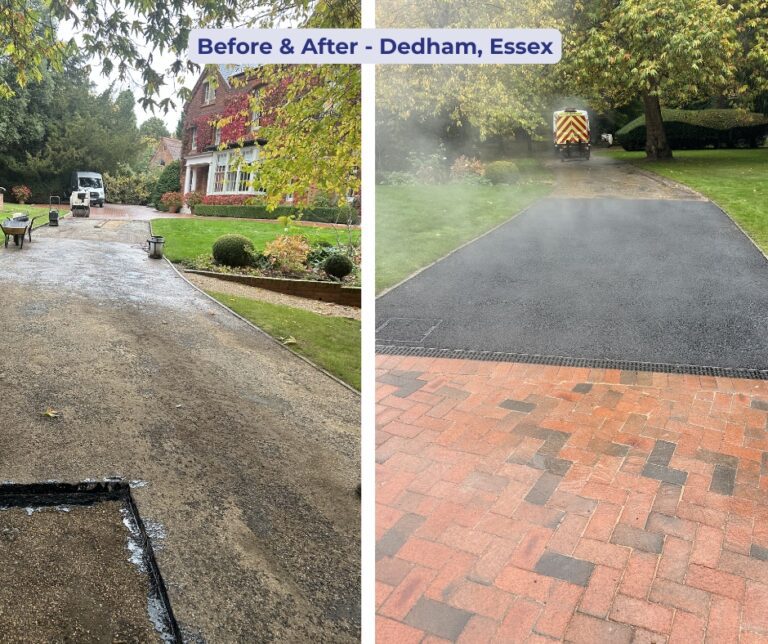
Heritage Roadways specialises in tarmac driveways, asphalt surfacing, resin-bonded surfaces, block paving, natural stone paving, and surface dressing across Hertfordshire, Berkshire, and the Cotswolds.
With 40 years of experience and a reputation for quality workmanship, we deliver driveways that look exceptional and last for decades.
Contact us today for a free, no-obligation quote
Essential Winter Preparation Steps
Clean Thoroughly
Give your driveway a proper clean. Remove leaves, dirt, moss, and any vegetation growing in cracks. Organic material holds moisture against the surface, which accelerates damage during freeze-thaw cycles. A stiff brush and a pressure washer (on a low setting for tarmac) work well.
Pay special attention to drainage channels and the edges where debris accumulates.
Seal Cracks and Gaps
Any cracks wider than a hairline should be sealed before winter. For tarmac driveways, there are cold-applied crack fillers available from builders' merchants. Make sure the crack is clean and dry before filling.
For larger repairs or multiple cracks, it's worth getting a professional assessment. Sometimes what looks like a simple crack is actually a sign of a deeper structural issue.
Check Your Drainage
Make sure water can flow away from your driveway easily. Clear any blocked drains, gullies, or soakaways. If water pools on your driveway, consider whether you need to improve drainage before winter arrives.
In the Cotswolds, Hertfordshire, and Berkshire, we get our fair share of winter rain along with the frost. Good drainage is essential.
Trim Overhanging Vegetation
Trees and shrubs that overhang your driveway drop leaves and keep the surface damp and shaded. This means it takes longer to dry out and is more prone to frost damage. A quick trim now will help your driveway dry faster between rain and frost.
Consider a Protective Seal
For tarmac driveways, a surface sealant can provide an extra layer of protection. This is particularly valuable if your driveway is a few years old and the original surface has worn. A good quality sealant helps repel water and protects against frost damage, UV rays, and everyday wear.
Sealant needs dry, mild weather to cure properly, so autumn is ideal - don't leave it until December.
Winter Maintenance Tips
Once winter arrives, a few simple habits will help protect your driveway:
Clear snow carefully - Use a plastic snow shovel rather than metal, which can gouge the surface. Don't pile snow on the edges of the driveway where it will melt and refreeze, causing edge damage.
Go easy on the salt - Rock salt is corrosive and can damage driveway surfaces over time. Use it sparingly and only where absolutely necessary. Sand or grit provides traction without the chemical damage.
Avoid heavy loads on frozen surfaces - If possible, don't park heavy vehicles or machinery on your driveway when it's frozen solid. The pressure on a frozen, brittle surface can cause cracking.
Keep it clean - Try to sweep away grit, salt, and debris regularly. These materials hold moisture and can accelerate surface wear.
When to Call in the Professionals
Some winter preparation jobs are definitely DIY territory - cleaning, clearing drainage, and small crack filling. But if you notice any of the following, it's worth getting expert advice:
- Multiple cracks or widespread crazing across the surface
- Significant potholes or areas where the surface is breaking up
- Serious drainage issues with water pooling
- Settlement or subsidence causing uneven areas
- Edge collapse or deterioration along the sides
These issues won't improve over winter - they'll get dramatically worse. Addressing them before the cold weather sets in will save money and hassle in the long run.
Planning Ahead
If your driveway has seen better days, winter is a good time to start thinking about spring repairs or resurfacing. Many driveway contractors book up quickly for spring and early summer work, so planning ahead means you'll get on the schedule early.
For period properties, stately homes, and heritage buildings, choosing the right contractor matters even more. You need someone who understands traditional materials and appropriate finishes for historic settings.
Winter Preparation Pays Off
A little winter preparation goes a long way. By addressing small issues now, keeping your driveway clean and well-drained, and being careful with winter maintenance, you can protect your investment and avoid unpleasant surprises when spring arrives.
Your driveway works hard all year round, providing access, parking, and kerb appeal. Taking care of it before winter sets in is simply good sense - and your spring self will thank you for it.
Need help with winter driveway repairs or preparing your surface for the cold months ahead? Heritage Roadways specialises in tarmac, tar and chip, and surface dressing for properties across Hertfordshire, Berkshire, and the Cotswolds. Get in touch for a free assessment and quote.