Your driveway might not feel like a hazard. It's just the space between your gate and your front door. But for young children, driveways are one of the most common locations for accidental injury in and around the home.
Whether you have little ones at home or grandchildren visiting, it's worth thinking carefully about how your driveway is designed, surfaced, and used day to day.
Here are the key things to consider.
The Hidden Risk on Your Own Property
Most parents think of road safety in terms of public roads and traffic. But statistically, a significant number of child accidents involving vehicles happen on private driveways, not public roads. A reversing car, a trip on an uneven surface, or a child running out unseen can all lead to serious injury in seconds.
The good news is that a well-designed and well-surfaced driveway can reduce these risks considerably.
Surface Matters More Than You Might Think
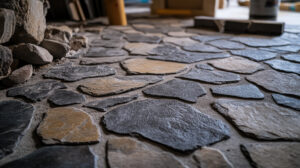
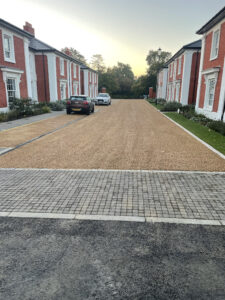
Loose gravel might seem harmless, but it shifts underfoot and is notoriously difficult for children to run or cycle on safely. It can also become a throwing hazard for very young children. If your current surface is uneven, crumbling, or covered in loose stone, it is worth considering a more stable alternative.
Tarmac and resin-bound surfaces both offer a smooth, firm finish that is safer underfoot. Resin-bound surfacing in particular is fully permeable and does not produce loose stones, making it one of the most child-friendly options available. Block paving is another solid choice, provided it is laid correctly with no rocking or sunken sections that could cause trips.
Whatever surface you have, pot holes, cracks, and sunken edges should be repaired promptly. These are trip hazards for adults too, but children are far more likely to fall and less able to predict and avoid uneven ground.
Drainage and Standing Water
Puddles might seem like a child's idea of fun, but standing water on a driveway can mask uneven surfaces and, in colder months, freeze to form black ice. A driveway with good drainage keeps the surface clear and safe year-round.
If you notice water pooling regularly after rain, it is a sign that your driveway may need re-grading or a drainage solution. This is something we assess on every site visit before recommending a surfacing option.
Design and Layout
How your driveway is laid out has a direct effect on safety. A few things worth thinking about:
Visibility. Can you clearly see the full length of your driveway when reversing? Blind spots created by walls, hedges, or parked vehicles are a major cause of driveway accidents involving children. Consider trimming back vegetation and being aware of what is out of your line of sight before you move the car.
Turning space. A driveway that allows you to turn and exit facing forwards is considerably safer than one where you are forced to reverse onto a road or into a confined space. If your current layout requires reversing, extra vigilance is essential whenever children are nearby.
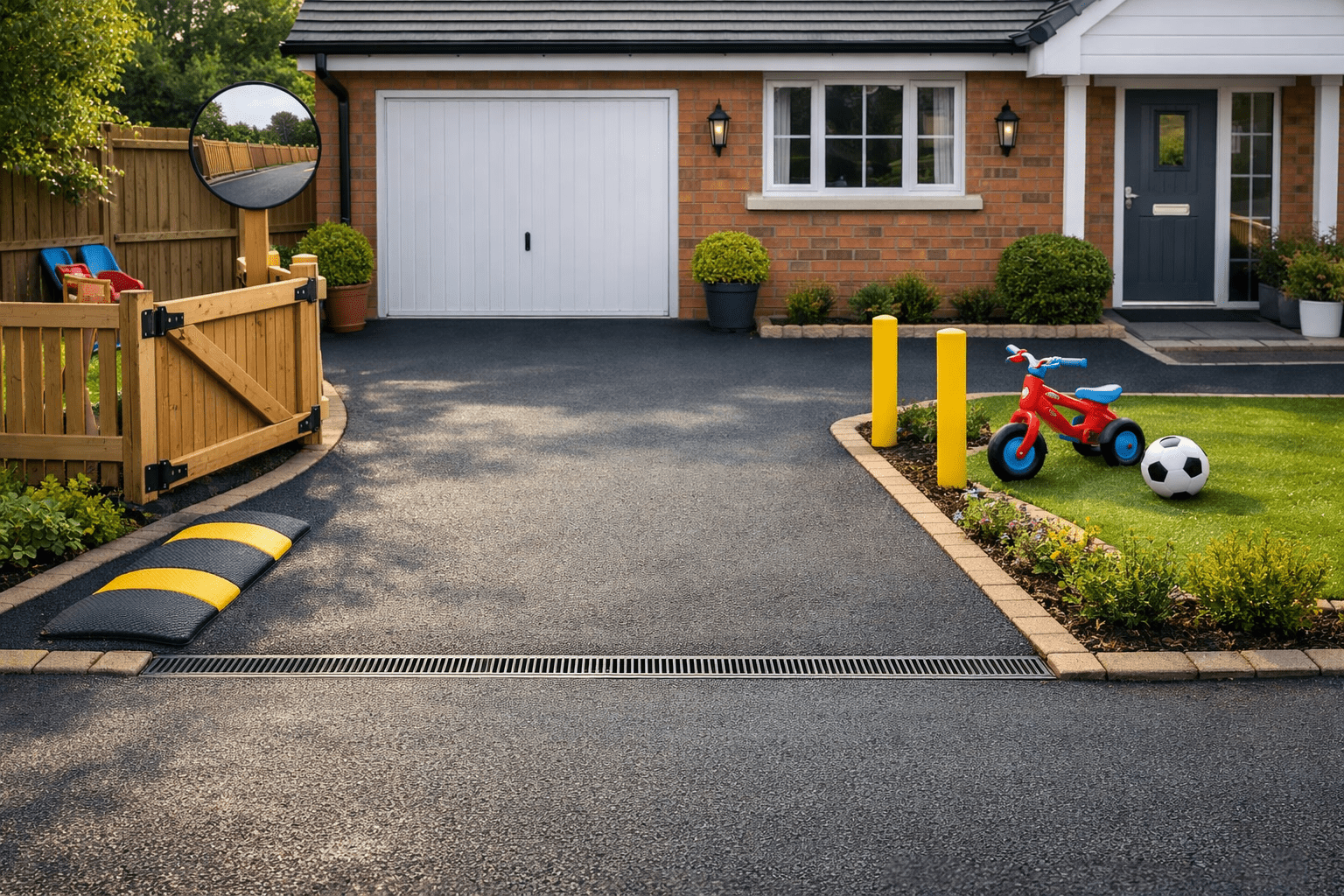
Separation. Where possible, creating a clear physical separation between the area where vehicles travel and the area where children play significantly reduces risk. Even a simple planted border, low fence, or change in surface texture can act as a visual and physical boundary.
Gates. A driveway gate that closes securely prevents children from wandering into the driveway unsupervised and prevents vehicles from entering without warning. This is one of the most effective safety measures available.
Good Habits Matter Too
Even the best-designed driveway is only as safe as the habits of the people using it. A few simple rules can make a real difference:
Always check behind your vehicle before reversing, even if you have parking sensors. Sensors are not always reliable at detecting small children.
Make it a household rule that children do not play on the driveway unsupervised when a vehicle is present or likely to arrive.
If you are having work done on your driveway, ensure children are kept well clear of the working area. Surfacing work involves heavy machinery and hot materials that are not safe around children.
Thinking About a New Driveway?
If your current driveway is uneven, crumbling, or simply not working well for your family, it may be time to consider a replacement or repair. A properly installed surface not only looks better but functions better, draining correctly, wearing evenly, and standing up to daily use without becoming a trip hazard.
At Heritage Roadways, we have over 40 years of experience laying driveways for homes across Suffolk, Essex, Cambridgeshire, Norfolk, Hertfordshire, and beyond. We are happy to visit your property, assess your current surface, and talk through the options that would work best for your home and your family.
Call us on 01787 275929 or email to arrange a free, no-obligation site visit.
FAQs
Which driveway surface is safest for children?
Resin-bound surfacing is one of the safest options as it produces no loose stones and provides a firm, even surface. Tarmac and properly laid block paving are also good choices. Loose gravel is best avoided where children are likely to play.
What should I do if my driveway has potholes or cracks?
These should be repaired as soon as possible. Uneven surfaces are a trip hazard and can worsen quickly, particularly over winter. Contact a surfacing contractor for an assessment.
Can I make my existing driveway safer without replacing it?
In many cases, yes. Repairs, re-edging, and improved drainage can all extend the life of a driveway and make it safer to use. We can assess what is feasible during a site visit.