After a warm spell followed by rain, weeds can appear on a driveway almost overnight. It is one of the most common calls we receive this time of year, and it is entirely understandable. Moisture, warmth, and any small gap in a surface is all a weed needs to take hold.
The good news is that most driveway weed problems are manageable. The better news is that the right surface, properly installed, can make a significant difference to how often the problem occurs.
Why Do Weeds Grow on Driveways?
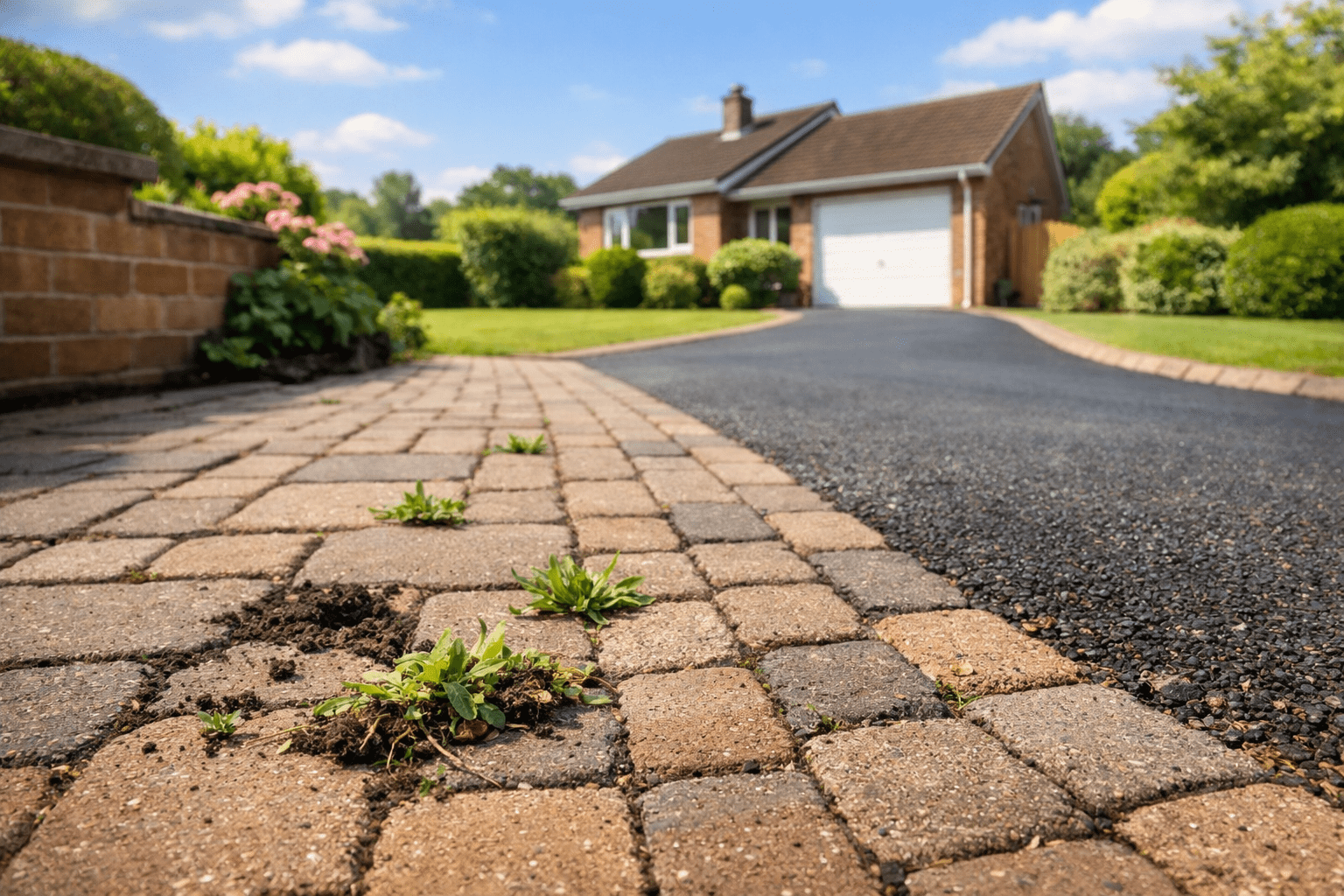
Weeds do not grow through solid tarmac or resin. What they grow through is gaps. Fine cracks in an ageing surface, the edges where a driveway meets a wall or kerb, or the joints between block paving, these are the entry points.
Wind carries seeds, which settle into any available crevice. After warm weather and rain, germination happens fast. It is not a sign of poor cleaning habits; it is a sign that your surface may need attention.
Which Surfaces Are Most Prone to Weed Growth?
Block paving is the most common culprit. The jointing sand between blocks can degrade over time, leaving gaps that seeds fall into easily. Regular re-sanding and weed-suppressing jointing compounds can help considerably.
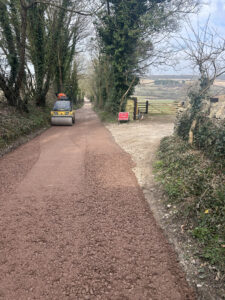
Tar and chip driveways, if laid correctly on a sound base, are relatively resistant to weed growth. The texture of the surface gives seeds fewer places to settle and establish.
Tarmac driveways in good condition present very little opportunity for weeds. If weeds are appearing across the surface of a tarmac drive rather than just at the edges, it is usually a sign of cracking or surface breakdown — and worth getting looked at sooner rather than later.
Resin-bound surfaces, when installed correctly, are virtually weed-free. The permeable surface allows water to drain through, but the bound aggregate leaves no gaps for seeds to take hold.
Not sure whether your driveway needs a repair or a full replacement?
We are happy to take a look and give you an honest assessment. Email Heritage Roadways on
Practical Steps to Deal With Weeds Now
If weeds have already appeared, here is what we recommend:
Remove them at the root where possible, rather than cutting them off at the surface. Leaving roots in place means they will return within weeks.
Use a path and patio weed killer appropriate for hard surfaces. These are widely available and safe for most driveways when used as directed. Avoid using boiling water on block paving as it can displace the jointing sand.
For block paving, once weeds are cleared, consider re-sanding with a polymeric jointing sand. This sets firm when wet and makes it much harder for seeds to establish.
Check the edges of your driveway where it meets borders, walls, or grass. These areas are often where weeds first take hold and spread inward. Edging these sections cleanly makes a real difference.
When Weeds Are a Sign of Something More
If you are clearing the same weeds every few weeks, or if they are appearing through the main body of the surface rather than just at the edges, it is worth having the driveway assessed. Persistent weed growth can indicate surface deterioration, drainage issues, or problems with the base layer.
Catching these issues early is always less costly than leaving them to develop. A resurfacing job completed at the right time is significantly cheaper than a full replacement later.
Thinking About a New Driveway?
If your current surface is old, cracked, or simply not performing, summer is an ideal time to plan a replacement. Ground conditions are good, and installation can be completed quickly with minimal disruption.
Heritage Roadways has been installing and maintaining driveways across Suffolk, Essex, Cambridgeshire, and beyond for over 40 years. Whether you need advice on the right surface for your property or a quote for new installation, we are happy to help.
Call us on 01787 275929 or email to arrange a free no-obligation visit.