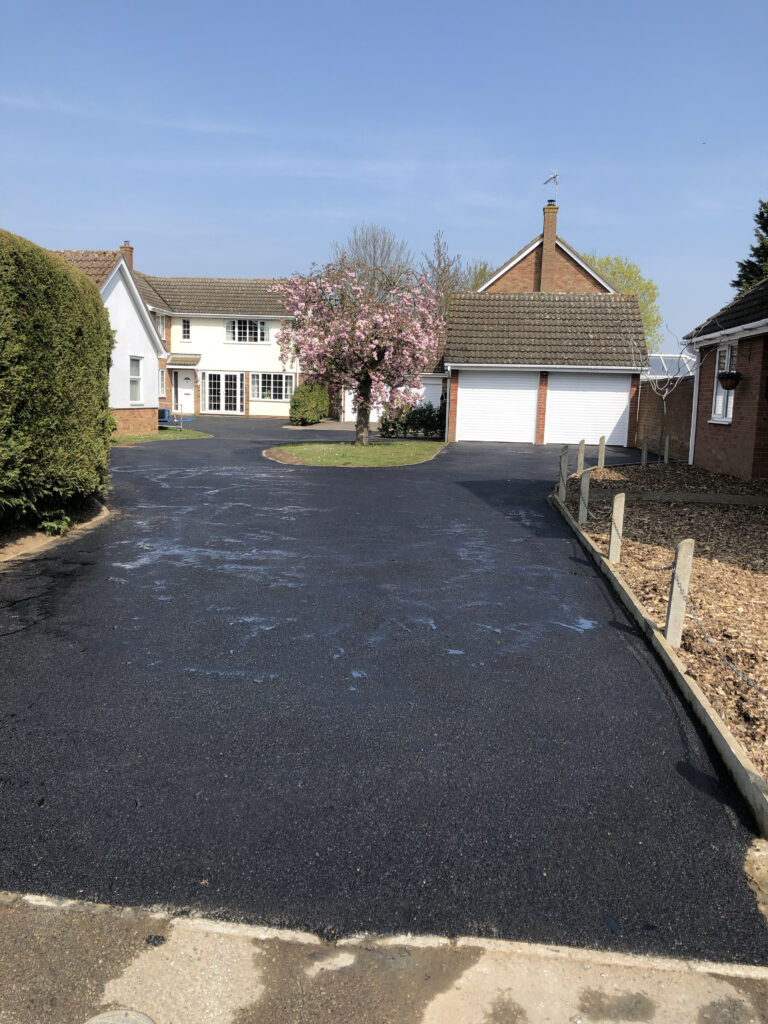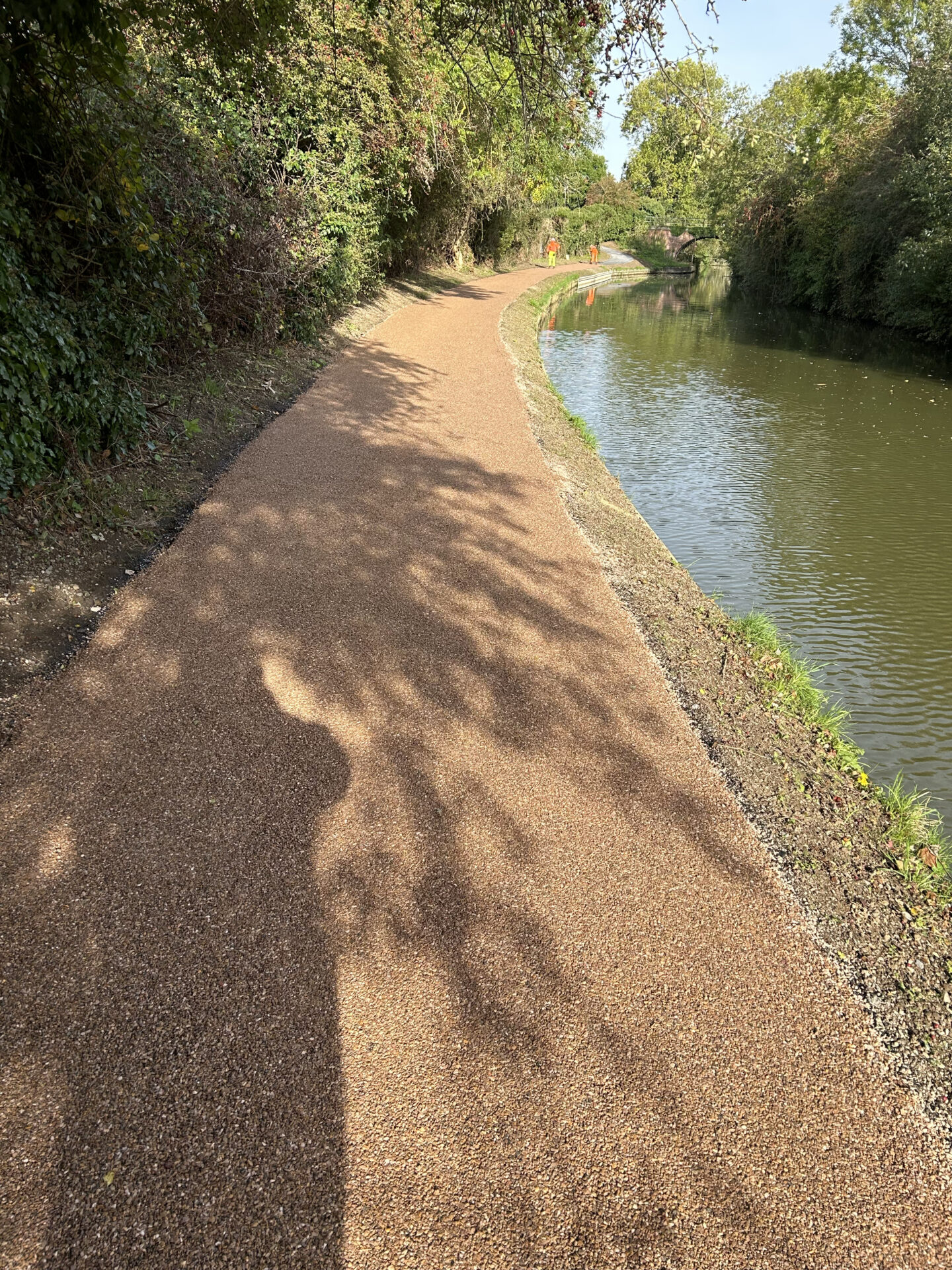
If you've driven through the Suffolk countryside or explored rural Berkshire, you've almost certainly seen tar and chip driveways. They're everywhere in rural Britain—that distinctive textured surface with natural stone chippings embedded in bitumen, creating a rustic, traditional appearance that suits period properties and country homes perfectly.
Yet despite being one of the most common driveway surfaces in rural areas, tar and chip (also known as surface dressing or chip and tar) remains something of a mystery to many homeowners. What exactly is it? How is it installed? And most importantly, is it the right choice for your property?
At Heritage Roadways, we've been installing tar and chip driveways across East Anglia, the Cotswolds, Berkshire, and Hertfordshire for over 40 years. We've worked on everything from modest country cottages to prestigious estates, and we've seen how brilliantly this traditional surfacing method performs when installed properly.
Let's explore everything you need to know about tar and chip driveways.
What Exactly is Tar and Chip?
Tar and chip is a surfacing technique that involves spraying hot bitumen emulsion onto a prepared surface, then spreading stone chippings over the top whilst the bitumen is still sticky. The chippings are then rolled into the bitumen, creating a textured, durable surface with excellent grip.
The name "tar and chip" is actually a bit of a misnomer—modern installations use bitumen emulsion rather than tar. But the traditional name has stuck, and you'll hear it used interchangeably with "surface dressing" or "chip and tar."
The result is a surface that looks naturally rustic with visible stone chippings, quite different from the smooth appearance of tarmac or the polished look of resin. It has a traditional, countryside charm that makes it particularly popular in rural areas and with period properties.
The History Behind Tar and Chip
Surface dressing isn't new—it's been used for over a century to protect and maintain roads. The technique was developed as a cost-effective way to seal road surfaces, prevent water damage, and improve skid resistance.
In rural Britain, tar and chip became the traditional choice for farm tracks, estate driveways, and country lanes. It was practical, relatively affordable, and could be installed quickly using locally sourced materials. Many of the historic estates we work with—including prestigious properties in the Cotswolds—have used tar and chip surfacing for generations.
The technique has evolved over the decades. We now use better quality bitumen emulsions and more carefully graded stone chippings, resulting in surfaces that last longer and perform better than traditional methods.
How is Tar and Chip Installed?
Understanding the installation process helps explain both the benefits and limitations of tar and chip surfacing.
Step 1: Surface Preparation
The existing surface must be thoroughly cleaned to remove debris, loose material, and vegetation. Any significant damage—potholes, major cracks, or structural issues—needs to be repaired first. Surface dressing works best on a structurally sound base; it's a surface treatment rather than a structural repair.
Step 2: Bitumen Application
Hot bitumen emulsion is sprayed evenly across the prepared surface. The bitumen needs to be at the right temperature and applied at the correct rate—too much and you'll have excess bitumen showing through; too little and the chippings won't adhere properly.
This is where professional expertise matters. The application rate depends on the condition of the existing surface, the grade of bitumen, and weather conditions on the day.
Step 3: Stone Chipping Application
While the bitumen is still sticky, stone chippings are spread evenly across the surface. The size and type of chippings are selected based on the intended use—driveways, farm tracks, and estate roads all have different requirements.
The chippings need to be clean and properly graded. Poor quality or dirty chippings won't bond properly and will come loose quickly.
Step 4: Rolling
Rubber-tyred rollers are used to press the chippings firmly into the bitumen emulsion. This ensures proper embedment and creates a strong bond. The rolling process is critical—insufficient rolling leads to loose chippings; excessive rolling can cause the chippings to sink too far into the bitumen.
Step 5: Sweeping
After the bitumen has set (usually 24-48 hours), the surface is swept to remove any loose chippings that didn't embed properly. This sweeping may be repeated several times over the first week to ensure all loose material is removed.
Weather Requirements
Tar and chip installation requires warm, dry weather. The bitumen needs proper conditions to cure correctly, and rain can wash away chippings before they've bonded. This means installations are typically carried out between April and September in the UK.
Ready to explore tar and chip for your property?
Heritage Roadways has been installing traditional surface dressing across Suffolk, the Cotswolds, Berkshire, and Hertfordshire for over 40 years. We'll assess your driveway, provide honest advice about whether tar and chip is suitable, and give you a transparent quote with no obligation.
Call 01787 275929 or contact us online for your free site assessment
The Benefits of Tar and Chip Surfacing
1. Cost-Effective Maintenance
Surface dressing is significantly cheaper than complete resurfacing. For driveways that are structurally sound but showing surface wear, tar and chip offers excellent value.
2. Excellent Skid Resistance
The textured surface with exposed stone chippings provides outstanding grip in all weather conditions. This makes tar and chip particularly good for:
- Sloped driveways where grip is essential
- Areas with heavy rainfall
- Properties with older residents who need secure footing
- Farm tracks and working driveways
3. Seals and Protects
The bitumen layer seals the existing surface, preventing water ingress that causes potholes and structural damage. This protective seal extends the lifespan of the underlying surface significantly.
Water is the enemy of all road surfaces. By preventing water penetration, surface dressing stops the freeze-thaw damage that causes most driveway deterioration.
4. Traditional Aesthetic
Tar and chip has a rustic, countryside appearance that suits period properties beautifully. The natural stone finish blends into rural settings far better than modern tarmac or resin.
We've found it particularly popular with:
- Country cottages and farmhouses
- Period properties in villages
- Historic estates and manor houses
- Properties in Areas of Outstanding Natural Beauty
- Conservation areas where planning restrictions favour traditional materials
5. Quick Installation
The entire process can be completed in 1-2 days for most domestic driveways. The surface is ready for light traffic within 24-48 hours, though we recommend avoiding heavy use for the first week.
Compare this to complete driveway replacement, which can take a week or more and leaves you without access during installation.
6. Extends Surface Life
Regular surface dressing can extend a driveway's lifespan by 7-10 years. For a structurally sound driveway showing surface wear, this represents excellent value—you're postponing expensive replacement for a fraction of the cost.
7. Natural Stone Finish Options
Surface dressing offers flexibility in appearance through stone selection:
- Grey/silver chippings: Contemporary look, suits modern properties
- Gold/honey chippings: Warm, traditional appearance for period homes
- Red/pink chippings: Distinctive finish for specific architectural styles
- Mixed colours: Bespoke appearance tailored to your property
The Limitations to Consider
Being realistic about tar and chip's limitations helps you make an informed decision.
1. Loose Chippings Initially
For the first few days after installation, you'll have loose chippings on the surface. These need to be swept regularly until the surface fully settles. Some chippings will inevitably be displaced by traffic—this is normal and expected.
We always sweep thoroughly after installation, but you should expect to do additional sweeping yourself during the first week. Keep a stiff broom handy.
2. Weather Dependency
Installation requires warm, dry conditions. This limits the working season to roughly April-September in the UK. If you need surfacing work done in winter, tar and chip isn't viable—you'll need to consider alternatives.
Even during the installation season, rain can disrupt work. A sudden downpour can wash away chippings before they've bonded, potentially requiring re-work.
3. Not Suitable for All Surfaces
Surface dressing only works on structurally sound existing surfaces. If your driveway has:
- Significant structural damage
- Major settlement or subsidence
- Extensive cracking or potholes
- Poor drainage causing standing water
- Weak or failing sub-base
...then surface dressing alone won't solve the problem. You'll need structural repairs first, or potentially complete replacement.
4. Texture and Smoothness
Tar and chip creates a textured, rustic surface—not a smooth one. The exposed stone chippings mean it's bumpier than tarmac or resin.
This texture is part of the charm for many people, but it's worth considering:
- It's not ideal if you want a perfectly smooth surface
- Snow clearing can be slightly more challenging
- Wheelchairs or mobility scooters may find it less comfortable than smooth surfaces
5. Shorter Lifespan Than Full Replacement
Surface dressing typically lasts 5-10 years before needing reapplication. Compare this to:
- New tarmac: 15-20 years
- Resin: 15-25 years
- Block paving: 20+ years with maintenance
However, the cost is much lower, so the cost-per-year can still represent good value.
Maintenance: Keeping Your Tar and Chip Surface in Good Condition
Tar and chip requires minimal but important maintenance to achieve its full lifespan.
Regular Sweeping (Monthly)
Keep the surface clear of debris, leaves, and dirt. This prevents organic material from breaking down on the surface and reduces moisture retention.
A stiff broom is all you need—10 minutes once a month keeps everything tidy.
Address Loose Chippings Promptly (First Week)
During the first week after installation, sweep loose chippings regularly. Check particularly after rain or heavy traffic.
After the initial settling period, loose chippings should be minimal.
Monitor for Damage (Quarterly)
Check for any areas where the surface is deteriorating:
- Patches where bitumen is showing through
- Areas where chippings have worn away
- Signs of water pooling
Early identification allows for cost-effective patch repairs before problems spread.
Reapplication Every 5-7 Years
Plan for reapplication every 5-7 years to maintain protection and appearance. This is straightforward and relatively inexpensive—essentially the same process as the original installation.
Regular reapplication maintains the surface indefinitely, making tar and chip a viable long-term solution for driveways, farm tracks, and estate roads.
Is Tar and Chip Right for Your Property?
Based on our 40+ years of experience, tar and chip works brilliantly in specific situations.
Tar and Chip is Ideal If You:
✅ Have a structurally sound driveway needing surface refresh
✅ Want a cost-effective solution
✅ Appreciate traditional, rustic aesthetics
✅ Own a period property or country home
✅ Need excellent grip on slopes or in wet conditions
✅ Want to extend your existing driveway's life
✅ Have a farm track or working driveway
✅ Are in a rural area where tar and chip is common
Consider Alternatives If You:
❌ Have major structural problems with your driveway
❌ Want a perfectly smooth, modern finish
❌ Need work done in winter (October-March)
❌ Prefer low-texture surfaces
❌ Want maximum longevity between treatments
Tar and Chip vs Other Driveway Options
Tar and Chip vs Tarmac
Tar and chip advantages:
- Much cheaper
- Traditional, rustic appearance
- Better grip due to texture
- Quick to install as overlay
Tarmac advantages:
- Longer lifespan (15-20 years vs 5-10 years)
- Smoother surface
- Can be installed year-round
- Lower long-term maintenance
Best for: Tar and chip wins on cost and traditional aesthetics; tarmac wins on longevity and smoothness.
Tar and Chip vs Resin
Tar and chip advantages:
- Significantly cheaper
- Traditional appearance
- Better grip
- Can be installed as an overlay on sound surfaces
Resin advantages:
- Modern, decorative appearance
- Much longer lifespan (15-25 years)
- Smooth finish
- More colour options
- SUDS compliant
Best for: Tar and chip wins on cost and traditional character; resin wins on appearance and longevity.
Tar and Chip vs Block Paving
Tar and chip advantages:
- Much cheaper
- Minimal maintenance
- Quick installation
- No weed growth between joints
Block paving advantages:
- Longer lifespan with proper care
- More design options
- Easier repairs (replace individual blocks)
- Premium appearance
Best for: Tar and chip wins on cost and maintenance; block paving wins on aesthetics and perceived quality.
Common Questions About Tar and Chip
How Long Does Tar and Chip Last?
Typically 5-10 years before needing reapplication. Lifespan depends on:
- Traffic volume and vehicle weights
- Quality of installation
- Climate and weather exposure
- Underlying surface condition
- Maintenance regime
With regular reapplication every 5-7 years, tar and chip can protect a driveway indefinitely.
Can Tar and Chip Be Applied Over Existing Surfaces?
Yes—this is one of its main advantages. Tar and chip can be applied over:
- Existing tarmac (if structurally sound)
- Concrete (if in good condition)
- Previous tar and chip surfaces
It cannot be applied over:
- Loose gravel
- Grass or earth
- Severely damaged surfaces
- Block paving
Why Are There Loose Chippings After Installation?
Some loose chippings are completely normal and expected. Not every chipping will embed perfectly into the bitumen—typically 5-10% remain loose and need sweeping away.
This is why we sweep thoroughly during the first week, and why you'll need to do additional sweeping yourself. After the settling period, loose chippings should be minimal.
Does Tar and Chip Work on Steep Driveways?
Yes—excellently. The textured surface provides outstanding grip, making tar and chip ideal for sloped driveways where traction is essential. Many of our rural installations are on slopes where grip and safety are priorities.
Can I Drive on It Immediately?
Light traffic is possible within 24-48 hours, but we recommend:
- Avoid heavy vehicles for 3-5 days
- Drive slowly and carefully for the first week
- Avoid sharp turning or hard braking initially
The bitumen needs time to cure fully. The warmer and drier the weather, the faster this happens.
The Heritage Roadways Approach to Tar and Chip
At Heritage Roadways, we've perfected tar and chip installation over four decades of work across East Anglia, the Cotswolds, and beyond.
Site Assessment
We always conduct a thorough site visit to assess:
- Existing surface condition
- Drainage and water management
- Required repairs before surface dressing
- Suitability for tar and chip vs alternatives
We provide honest advice—if your driveway has structural issues that surface dressing won't solve, we'll tell you. There's no point applying a surface treatment to a failing base.
Quality Materials
We use premium bitumen emulsions and carefully graded stone chippings from reputable suppliers. The quality of materials makes an enormous difference to performance and longevity.
Professional Installation
Our experienced teams understand the critical factors:
- Correct bitumen application rate
- Proper chipping distribution
- Adequate rolling for embedment
- Weather monitoring and timing
Post-Installation Care
We sweep thoroughly after installation and provide clear guidance on what you should do during the settling period. We're always available if you have questions or concerns.
Real Projects: Where Tar and Chip Excels
Over our 40+ years, we've installed tar and chip surfacing in diverse locations:
Period Properties: Country cottages in rural Suffolk where traditional appearance matters Historic Estates: Including prestigious properties where surface dressing has been used for generations Farm Tracks: Working driveways needing durability and grip Village Properties: Homes in conservation areas where planning favours traditional materials Sloped Driveways: Properties where the textured grip is essential for safety
The common thread? Properties where cost-effectiveness, traditional character, and practical performance matter more than modern aesthetics.
Is Tar and Chip Right for You?
Tar and chip is an excellent choice for many properties—particularly country homes, period properties, and rural locations where its traditional appearance and practical benefits align perfectly with the setting.
It's not the solution for everyone. If you want a smooth, modern finish with maximum longevity, tarmac or resin might suit better. But if you appreciate traditional surfacing methods that have served British properties well for over a century, tar and chip deserves serious consideration.
Get Expert Advice for Your Driveway
Every driveway is different. What works beautifully for a country cottage might not suit a suburban semi, and vice versa.
At Heritage Roadways, we conduct thorough site visits to assess your property's specific needs. We'll inspect your existing surface, discuss your requirements and budget, and provide honest recommendations about whether tar and chip is the right choice—or whether another surfacing option would serve you better.
There's no pressure, no obligation—just straightforward advice from people who've done this hundreds of times across East Anglia, the Cotswolds, Berkshire, and Hertfordshire.
Ready to discuss tar and chip surfacing for your property? Contact Heritage Roadways today on 01787 275929 for your free consultation and site assessment.