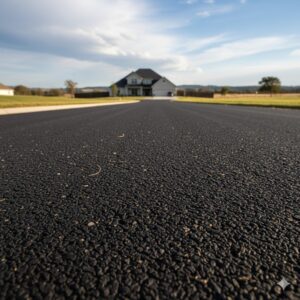
Tar and chip driveways (also known as chip and tar or surface dressing) are a popular, cost-effective choice, especially in rural areas. With their natural stone finish and rustic charm, they blend beautifully into traditional settings. With proper care and periodic reapplication, your tar and chip driveway can provide 10-15 years of reliable service.
Understanding Your Tar and Chip Driveway
What is Tar and Chip?
A tar and chip driveway is created by applying a layer of hot bitumen emulsion to the existing surface, followed by spreading stone chippings over the top. The chippings are then rolled into the bitumen to create a textured, slip-resistant surface that seals and protects the underlying structure.
Key Characteristics:
- Textured, natural stone finish
- Excellent skid resistance
- Cost-effective compared to other surfacing options
- Rustic appearance ideal for rural properties
- Permeable qualities help with drainage
- Traditional look that blends with countryside settings
Immediately After Installation
The Critical First Few Weeks
The settling period is essential for a long-lasting finish. Your driveway needs time for the bitumen to cure and the chippings to embed properly.
First 24-48 Hours:
- Avoid use if possible – allow the surface to set
- No parking – wait at least 24 hours before driving on it
- Keep off completely – pedestrian traffic should also be minimal
- Expect loose stones – this is completely normal
First 2-4 Weeks:
- Drive slowly and carefully – avoid sharp turns
- No wheel spinning – helps chippings embed properly
- Avoid heavy braking – can dislodge loose stones
- Park in different spots – prevents wear patterns
- Be patient with loose chippings – they'll be swept away gradually
What to Expect:
- Loose chippings will be present for several days
- The surface will continue to settle over the first month
- Some stones may stick to tires initially – this is normal
- The driveway will be swept multiple times during the first week
Regular Maintenance Routine
Weekly/Bi-Weekly Tasks:
Sweeping (Most Important Maintenance Task)
- Use a stiff brush or broom to remove loose stones
- Clear debris, leaves, and dirt regularly
- Pay special attention to edges and drainage areas
- Sweep in the direction of drainage flow
- Remove any accumulation that could trap moisture
Monthly Checks:
Visual Inspection
- Look for areas where chippings have worn away (bald patches)
- Check for loose stones in concentrated areas
- Examine edges for deterioration
- Inspect for any surface cracking
- Monitor drainage performance
Weed Control
- Address weeds as soon as they appear
- Use appropriate weed killer for hard surfaces
- Apply during dry weather for best results
- Remove dead weeds to prevent re-seeding
- Focus on edges where weeds establish first
Drainage Maintenance
- Ensure water runs off freely
- Clear blocked drainage channels or gullies
- Check for areas of standing water after rain
- Address pooling immediately
- Keep edge channels clear of debris
Seasonal Maintenance
Spring:
- Deep clean after winter
- Check for winter damage
- Address any bald patches
- Apply weed treatment
- Clear accumulated winter debris
- Check drainage is functioning properly
Summer:
- Regular sweeping to prevent dust buildup
- Monitor for weed growth in warm weather
- Check for any softening in extreme heat
- Keep surface clear of organic matter
- Maintain edges and borders
Autumn:
- Clear fallen leaves promptly – they trap moisture
- Increase sweeping frequency
- Prepare for winter by ensuring good drainage
- Address any loose chippings before wet weather
- Final weed treatment before winter
Winter:
- Use sand for traction on ice (not rock salt)
- Clear snow with plastic shovel to avoid damage
- Monitor for frost damage
- Allow ice to melt naturally when possible
- Check for movement or cracking after freeze-thaw cycles
Common Problems and Solutions
Loose Chippings in Specific Areas
Causes:
- Bitumen binder breaking down
- Heavy traffic patterns
- Poor initial application
- Aging surface
Solutions:
- Patch repair with fresh bitumen and chippings
- Consider full reapplication if widespread
- Adjust traffic patterns if possible
Bald Patches
Causes:
- Heavy wear in turning areas
- Inadequate initial chipping coverage
- Premature aging
- Poor quality materials
Solutions:
- Patch repair for small areas
- Full reapplication for extensive patches
- May need earlier than expected refresh
Weed Growth
Causes:
- Cracks in surface allowing seed germination
- Organic matter accumulation
- Moisture retention
- Natural aging
Solutions:
- Regular weed killer application
- Improve drainage
- Increase sweeping frequency
- Seal cracks with fresh application
Surface Cracking
Causes:
- Base layer movement
- Freeze-thaw damage
- Age-related deterioration
- Poor initial installation
Solutions:
- Monitor crack development
- Apply patch repairs
- May indicate need for reapplication
- Check sub-base if extensive
Water Pooling
Causes:
- Inadequate drainage
- Surface depression
- Blocked drainage channels
- Settlement issues
Solutions:
- Improve grading during next application
- Install or improve drainage
- Patch low spots
- Professional assessment if severe
Extending the Life of Your Driveway
Best Practices:
Traffic Management:
- Vary parking spots to distribute wear
- Drive slowly, especially when turning
- Avoid sharp turns and heavy braking
- Keep heavy vehicles to minimum if possible
Regular Care:
- Sweep frequently – at least weekly
- Address issues immediately when spotted
- Keep drainage clear year-round
- Remove organic matter promptly
Timely Intervention:
- Patch small problems before they spread
- Don't delay weed control
- Address drainage issues quickly
- Schedule reapplication before complete failure
Professional Maintenance:
- Plan for reapplication every 5-7 years
- Have professional inspections periodically
- Use experienced contractors for repairs
- Don't attempt DIY repairs (requires specialist equipment)
Reapplication: When and Why
Expected Reapplication Schedule:
- First signs of wear: 3-4 years (depending on use)
- Recommended reapplication: Every 5-7 years
- Overall lifespan: 10-15 years with proper maintenance
Signs You Need Reapplication:
- Extensive bald patches (more than 20% of surface)
- Widespread loose chippings
- Multiple cracks appearing
- Bitumen breaking down visibly
- Poor water shedding
- Significant wear in traffic areas
Benefits of Timely Reapplication:
- Extends total driveway life
- Prevents base layer damage
- More cost-effective than full replacement
- Restores appearance and function
- Improves safety and skid resistance
Weather Considerations
Optimal Conditions:
- Reapplication must occur in warm, dry weather
- Best done between April and September
- Requires consecutive dry days
- Temperature should be above 10°C
Weather Challenges:
Hot Weather:
- Bitumen may soften slightly
- Avoid heavy vehicles during heat waves
- Some tracking may occur temporarily
- Normal and won't cause permanent damage
Cold Weather:
- Surface becomes more brittle
- Risk of frost damage increases
- Chippings may become dislodged more easily
- Plan major use during milder periods
Wet Weather:
- Good drainage is essential
- Clear debris before rain
- Monitor for water damage
- Address pooling immediately
What to Avoid
Never:
- Use harsh chemicals or solvents
- Pressure wash aggressively (gentle only)
- Use rock salt or de-icing chemicals
- Allow heavy vehicles unless necessary
- Ignore loose chippings or bald patches
- Delay addressing drainage problems
- Attempt DIY bitumen repairs
- Use metal tools that could gouge surface
Don't:
- Park in the same spot repeatedly
- Make sharp turns at speed
- Allow oil or fuel spills to sit
- Let weeds establish deep roots
- Skip regular sweeping
- Delay reapplication too long
Cost-Effective Maintenance
Low-Cost Prevention:
- Regular sweeping (just your time)
- Prompt weed control (inexpensive products)
- Varying parking locations (costs nothing)
- Seasonal inspections (DIY)
When to Invest:
- Professional reapplication every 5-7 years
- Patch repairs for problem areas
- Drainage improvements if needed
- Professional assessment for major issues
Cost Comparison:
- Minor patch repairs: relatively inexpensive
- Reapplication: moderate cost, extends life significantly
- Full replacement: expensive, hopefully not needed for 10-15 years
Safety and Performance
Slip Resistance:
- Textured chipping surface provides excellent grip
- Safe in wet conditions
- Naturally slip-resistant
- Suitable for sloped driveways
All-Weather Performance:
- Performs well in UK climate
- Good water shedding when properly maintained
- Resistant to freeze-thaw when in good condition
- Traditional choice proven over decades
Expected Lifespan
With Proper Maintenance:
- Initial application: 3-4 years before showing wear
- With reapplication: 5-7 years per layer
- Total lifespan: 10-15 years before base replacement needed
- Some installations: Can exceed 15 years with excellent care
Factors Affecting Lifespan:
- Traffic volume and vehicle weight
- Quality of initial installation
- Sub-base condition
- Climate and exposure
- Maintenance frequency
- Timeliness of reapplication
When to Call a Professional
Immediate Professional Advice Needed:
- Extensive cracking across surface
- Significant base layer movement
- Persistent drainage problems
- Large bald areas developing quickly
- Structural concerns about sub-base
Routine Professional Services:
- Reapplication every 5-7 years
- Annual or bi-annual inspection
- Patch repairs (requires hot bitumen equipment)
- Drainage improvements
- Assessment before major decisions
The Bottom Line
Tar and chip driveways offer excellent value, combining traditional aesthetics with practical durability. They're particularly well-suited to rural properties and period homes. The keys to maximizing lifespan are:
✓ Regular sweeping – weekly at minimum
✓ Prompt weed control and debris removal
✓ Good drainage maintenance
✓ Timely reapplication every 5-7 years
✓ Addressing problems early
✓ Gentle driving habits during settling period
While tar and chip driveways require more frequent reapplication than some alternatives, the relatively low cost of each application makes them highly economical over their lifetime. The rustic, natural appearance improves with age, and the textured surface provides excellent traction in all weather conditions.
Think of maintenance as an investment: A little regular care and timely reapplication will give you decades of service from this traditional, cost-effective surfacing solution.
Need expert advice on maintaining or reapplying your tar and chip driveway? Contact a professional surfacing contractor for a no-obligation consultation and quote. Proper timing of reapplication is key to maximizing your driveway's lifespan.