Choosing the right driveway surface affects your property for years to come. The material you select determines not just how your driveway looks, but how well it performs, how much maintenance it needs, and ultimately how long it lasts.
Three options dominate the market: tarmac, resin, and block paving. Each brings distinct advantages and trade-offs. Understanding these differences helps you make the right choice for your home, budget, and lifestyle.
Tarmac Driveways: The Practical Workhorse
Tarmac has earned its popularity through decades of reliable performance. It's the surface you see on most roads and countless driveways—and for good reason.
Appearance
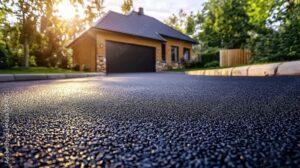
Freshly laid tarmac delivers a deep black or dark charcoal finish that looks smart and professional. Over time, UV exposure gradually lightens the surface to grey. This fading is natural and doesn't indicate deterioration—it's simply the effect of sunlight on the material.
While tarmac isn't as decorative as other options, it provides a clean, uniform appearance that suits most properties. Red tarmac is available for those wanting something different, though it costs more than standard black.
Durability and Lifespan
Tarmac handles heavy traffic exceptionally well. Whether multiple vehicles, delivery lorries, or constant use, it takes the punishment without complaint. Properly installed tarmac typically lasts around eight years, though with good maintenance this extends considerably.
It performs reliably in UK weather conditions, unaffected by temperature extremes. Rain, frost, heat—tarmac copes with it all. This resilience makes it particularly suitable for rural areas where mud and heavy agricultural vehicles feature regularly.
Maintenance
Tarmac requires minimal upkeep. Occasional sweeping to remove debris is usually sufficient. No specialist cleaning needed, no regular treatments—it simply gets on with the job.
If damage does occur, repairs are straightforward. Small cracks can be filled, potholes patched, and larger areas resurfaced without replacing the entire driveway. This repairability adds to tarmac's practicality.
Cost Considerations
Tarmac offers excellent value. Initial installation costs are moderate, and the combination of durability and low maintenance makes it cost-effective over its lifetime. When you calculate cost per year of service, tarmac compares very favourably to alternatives.
Best For
Tarmac suits homeowners prioritizing practicality and longevity over decorative appeal. It's ideal for properties with heavy vehicles, muddy conditions, or those simply wanting a reliable surface without fuss. Rural locations particularly benefit from tarmac's durability.
Resin Driveways: Modern Style with Performance
Resin has gained popularity rapidly, offering contemporary aesthetics combined with impressive functionality.
Appearance
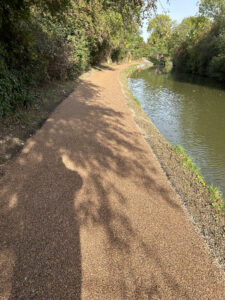
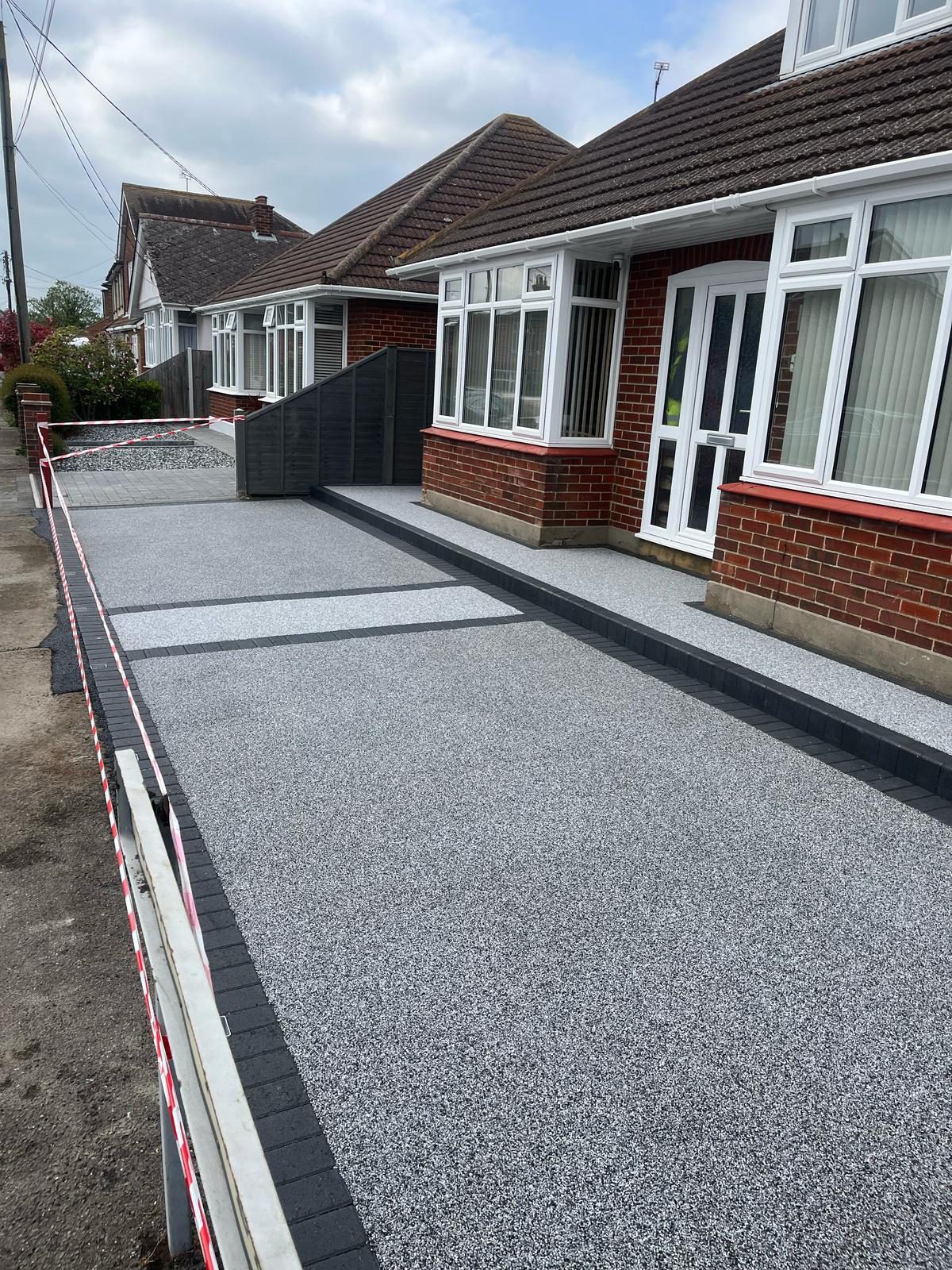
Resin driveways look stunning. The smooth, seamless finish in various colours and stone blends can be tailored precisely to complement your property. From subtle natural tones to more dramatic shades, resin offers design flexibility that other materials can't match.
The surface maintains a polished, almost worktop-like quality. Depending on your chosen aggregate blend, it can appear sleek and modern or more traditional and textured. This versatility makes resin suitable for both contemporary homes and period properties when appropriate colours are selected.
Durability and Lifespan
Resin driveways typically last over ten years with proper care. UV-stable formulations prevent significant colour fading, maintaining their attractive appearance throughout their life. The surface resists cracking better than some alternatives and handles regular vehicle traffic effectively.
The permeable nature of resin-bound surfaces means water drains through rather than sitting on top. This prevents puddles, reduces ice formation in winter, and complies with SUDS regulations regarding surface water drainage.
Maintenance
Despite appearances suggesting otherwise, resin driveways require surprisingly little maintenance. Contrary to common belief, no specialist tools or treatments are needed. A simple hose-down removes dirt and keeps the surface looking fresh.
The surface resists weed growth effectively. Because there are no gaps or joints, weeds have nowhere to establish. This eliminates one of the most time-consuming maintenance tasks associated with other driveway types.
Regular cleaning prevents dirt buildup that might dull the finish. However, this takes minutes rather than hours, making resin one of the lowest-maintenance options available.
Cost Considerations
Resin is the most expensive option initially. The materials cost more, and installation requires skilled application. However, the combination of longevity, minimal maintenance, and retained appearance means the cost per year compares reasonably to alternatives when calculated over its lifespan.
Best For
Resin suits homeowners wanting a modern, stylish finish with low maintenance requirements. It's particularly popular in urban areas and among those prioritizing aesthetics alongside performance. Properties where drainage is a concern benefit from resin's permeability.
Block Paving: Traditional Charm with Flexibility
Block paving has decorated driveways for generations, offering pattern possibilities and traditional appeal.
Appearance
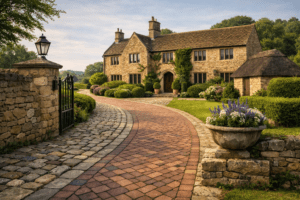
Block paving provides exceptional design flexibility. Available in numerous colours, shapes, and sizes, it creates patterns from simple herringbone to elaborate custom designs. This versatility lets you match your property's character precisely.
The textured surface and visible pattern create visual interest that plain surfaces can't achieve. For period properties or those wanting traditional aesthetics, block paving delivers authentic charm.
Durability and Lifespan
With proper maintenance, block paving lasts approximately six years before showing significant ageing. However, this lifespan depends heavily on correct installation—particularly the sub-base preparation—and ongoing maintenance.
Individual blocks can crack under heavy loads or if the base settles unevenly. However, damaged blocks can be replaced individually without disturbing the entire surface, which provides some advantage over materials requiring wholesale replacement or resurfacing.
Maintenance
Block paving demands more maintenance than alternatives. The sand between joints requires periodic topping up—typically every few years. This sand, being essentially soil, encourages weed growth rather than preventing it.
Regular weeding becomes necessary. Some homeowners manage this manually, others use chemical treatments, but either way it requires ongoing attention. The joints also collect dirt and debris, necessitating more frequent cleaning than smooth surfaces.
Sealing block paving protects against stains and enhances colour while reducing weed growth. However, this represents an additional maintenance task and cost that other surfaces don't require.
Cost Considerations
Initial installation costs for block paving are similar to tarmac, which surprises many people. The materials themselves vary in price—concrete blocks cost less than natural stone alternatives.
However, ongoing maintenance costs accumulate. Sand replacement, weed control, cleaning, and periodic sealing add to the lifetime cost. When maintenance is factored in, block paving often proves more expensive than initially apparent.
Best For
Block paving suits homeowners who prioritize traditional aesthetics and don't mind regular maintenance. Those wanting specific patterns or colours find block paving offers design possibilities other materials can't match. It works well for period properties and in settings where visual impact matters most.
Direct Comparison: How They Stack Up
Looking at these materials side by side reveals clear patterns about which suits different priorities.
Appearance and Style
For modern, sleek aesthetics: resin wins. Its smooth finish and colour options create contemporary appeal. For traditional charm and pattern possibilities: block paving excels. For simple, professional appearance without fuss: tarmac delivers reliably.
Durability and Longevity
Resin lasts longest—over ten years typically. Tarmac follows closely at around eight years. Block paving trails at approximately six years with proper maintenance. However, all three can exceed these averages with excellent installation and care.
Maintenance Requirements
Tarmac and resin require minimal maintenance—occasional sweeping or hosing down. Block paving demands regular attention: weeding, joint sand replacement, cleaning, and potentially sealing. This makes block paving the most labour-intensive option significantly.
Cost Analysis
Initial cost: Resin is most expensive, tarmac and block paving are similar and more affordable. Lifetime cost considering maintenance: Tarmac becomes very cost-effective due to longevity and minimal upkeep. Resin's durability offsets its higher initial cost. Block paving's maintenance expenses accumulate, potentially making it more expensive over time than initially apparent.
Practicality for Heavy Use
Tarmac handles heavy vehicles and constant traffic best. Resin performs well with regular use. Block paving can suffer under very heavy loads or if the base wasn't perfectly prepared, with blocks potentially sinking or shifting.
Drainage Performance
Resin drains exceptionally well—fully permeable surfaces prevent puddles and comply with drainage regulations. Tarmac requires proper falls and drainage systems but manages water effectively when correctly installed. Block paving drains reasonably through joints but not as effectively as resin.
Looking for a Driveway Specialist You Can Rely On?
We understand choosing a contractor is a big decision. That's why we offer transparent pricing, fully guaranteed work, and honest advice tailored to your property's needs. Contact us today for a free quote and discover why homeowners across the Suffolk, Essex and Norfolk, trust Heritage Roadways.
Click here to get a free quote
Making Your Decision: Key Questions
The right choice depends on your specific circumstances and priorities. Consider these questions:
What's Your Budget?
If budget is tight, tarmac provides excellent value for initial installation and lifetime cost. Block paving costs similarly upfront but remember ongoing maintenance expenses. Resin requires higher initial investment but delivers long-term value through durability and minimal maintenance.
How Much Maintenance Are You Willing to Do?
Want minimal involvement? Choose tarmac or resin—both need only occasional cleaning. Don't mind regular upkeep? Block paving works fine if you're happy weeding, maintaining joints, and periodic sealing.
What Look Are You After?
Modern and stylish? Resin offers the most contemporary appeal with colour flexibility. Traditional and patterned? Block paving creates classic charm with design possibilities. Simple and professional? Tarmac provides clean, uniform appearance.
What Traffic Will It Handle?
Heavy vehicles, multiple cars, constant use? Tarmac excels here. Regular family use? All three work well. Lighter use where appearance matters most? Any option works, so choose based on aesthetic preference.
Does Drainage Matter?
Significant drainage concerns or regulations to meet? Resin's permeability solves these problems. Standard drainage needs? All three manage adequately with proper installation.
What's Your Property Type and Location?
Rural setting with muddy conditions? Tarmac handles this best. Urban property where appearance matters? Resin suits modern homes, block paving suits traditional ones. Period property? Block paving or appropriately coloured resin maintains character.
Common Misconceptions Addressed
Several myths surround these materials that deserve clarification.
"Tarmac Always Looks Cheap"
Not true. Well-laid tarmac looks professional and smart. While not as decorative as alternatives, it provides clean, uniform appearance that suits many properties perfectly. The grey it fades to isn't shabbiness—it's natural weathering.
"Resin Driveways Need Specialist Maintenance"
False. Despite their polished appearance, resin driveways need only regular hosing. No specialist products, no complicated treatments—just basic cleaning keeps them looking good.
"Block Paving Lasts Forever"
Incorrect. While individual blocks are durable, the surface as a whole requires maintenance and typically needs attention after six years. Without proper care, blocks shift, sink, or suffer from widespread weed growth.
"All Three Cost the Same"
Not quite. Resin costs more initially. Tarmac and block paving have similar installation costs, but block paving's maintenance expenses make it more expensive over time.
The Importance of Professional Installation
Whichever material you choose, installation quality matters enormously. Poor groundwork, inadequate drainage, or rushed laying creates problems regardless of material quality.
Tarmac needs proper base preparation and correct laying techniques. Resin requires skilled application for smooth, even coverage. Block paving demands careful edge restraint and perfectly prepared sub-base.
Choose contractors experienced with your chosen material. Ask to see previous work. Check they understand drainage requirements. Installation isn't the place to cut costs—quality groundwork and laying determine whether your driveway performs well for years or causes problems almost immediately.
Making the Choice That's Right for You
There's no universally "best" option. Each material excels in different situations for different priorities.
Choose tarmac if you want proven durability, minimal maintenance, and excellent value. It's the practical choice that simply works, particularly for heavy use or challenging conditions.
Choose resin if you want modern aesthetics combined with low maintenance and excellent drainage. It's the premium option that looks stunning while performing exceptionally.
Choose block paving if traditional appearance and pattern flexibility matter most, and you're happy with regular maintenance. It creates character and charm that other materials can't match.
Consider your property, budget, maintenance willingness, and aesthetic preferences. Think about how you'll use the driveway and what matters most to you. The right choice becomes clear when you honestly assess your priorities.
Your driveway is a long-term investment. Take time to make an informed decision based on facts rather than assumptions. Whichever material you choose, professional installation and appropriate maintenance ensure it serves you well for years to come.